
Induction vs Gas Cooking: What’s the Difference?
Fri Jun 26 2026
- Cooking Appliances & Outdoor Cooking
If you’re shopping for a new range or cooktop, one of the biggest decisions you’ll face is choosing between induction and gas cooking.
Both cooking styles offer unique advantages, and the best option depends on your cooking habits, kitchen setup, and personal preferences.
The short answer?
-
Induction cooking is faster, more energy efficient, and generally safer.
-
Gas cooking offers visible flame control and a more traditional cooking experience.
This guide breaks down the major differences between induction and gas cooking, including:
-
Performance
-
Safety
-
Speed
-
Energy efficiency
-
Cleaning
-
Cost
-
Everyday usability
Whether you’re considering a drop in induction range or a gas cooktop, understanding the pros and cons of each system can help you make the right long-term decision.
Key Takeaways: Induction vs Gas Cooking
-
Induction cooking uses electromagnetic energy instead of an open flame.
-
Gas cooktops provide immediate visible heat and traditional cooking control.
-
Induction ranges typically boil water faster than gas.
-
Induction cooking surfaces stay cooler and are generally safer for families.
-
Gas cooking works with nearly all cookware, while induction requires magnetic-compatible pans.
-
Both cooking styles offer excellent performance when matched to the right homeowner needs.
What Is Induction Cooking?
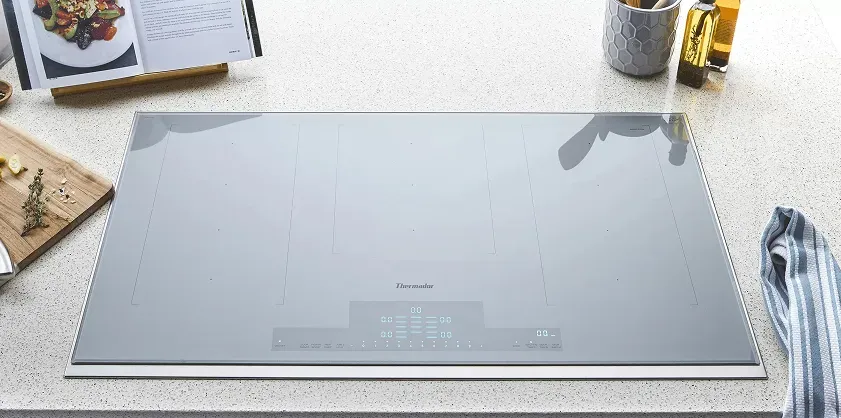
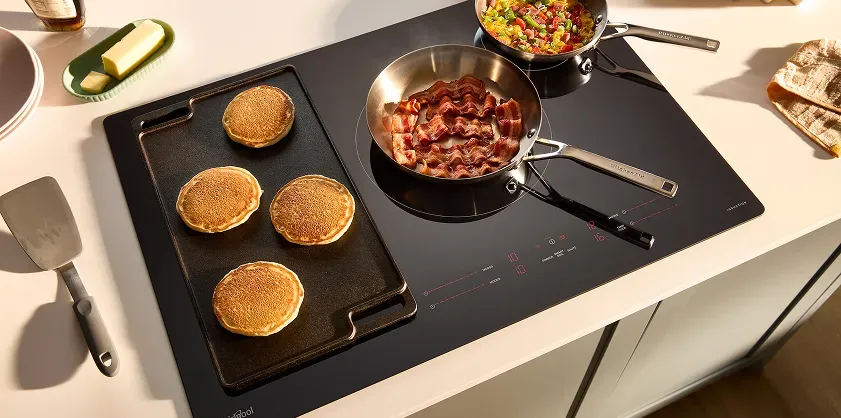
Induction cooking uses electromagnetic technology to heat cookware directly instead of heating the cooktop surface itself.
Unlike traditional electric cooktops or gas burners:
-
The pan becomes the heat source
-
Heat transfers directly into cookware
-
Cooking happens faster and more efficiently
How Does Induction Cooking Work?
Induction cooktops create a magnetic field beneath the cooking surface. When compatible cookware is placed on the burner, the magnetic energy heats the pan directly.
That means:
-
Faster heating
-
More precise temperature control
-
Less wasted heat
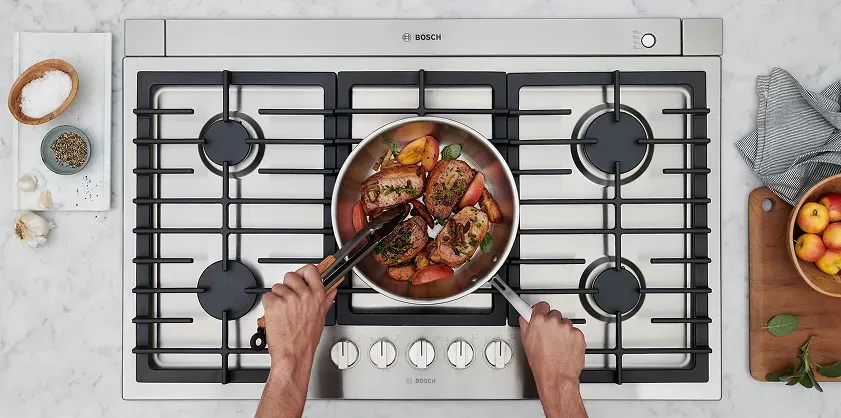
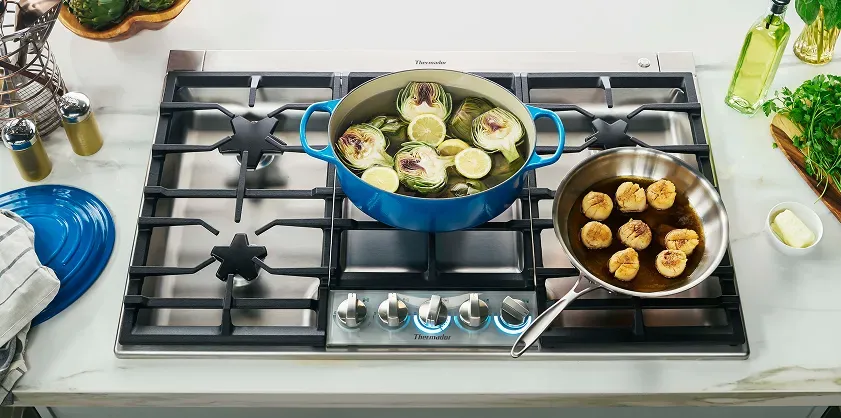
What Is Gas Cooking?
Gas cooking uses an open flame powered by natural gas or propane to heat cookware.
A gas cooktop remains popular because many home chefs appreciate:
-
Visual flame control
-
Instant heat adjustments
-
Familiar cooking feel
-
Compatibility with most cookware
Why Do Many Chefs Prefer Gas?
Many cooks prefer gas because they can visually see and adjust the flame instantly, creating a more traditional and responsive cooking experience.
Induction vs Gas: Speed Comparison
One of induction cooking’s biggest advantages is speed.
Because induction transfers energy directly into the cookware, very little heat is wasted.
Boiling Speed Comparison
| Cooking Type | Approximate Boil Speed |
|---|---|
| Induction | Fastest |
| Gas | Moderate |
| Traditional Electric | Slowest |
Is Induction Faster Than Gas?
Yes. Induction cooking can boil water significantly faster than gas cooking in many situations.
That speed is especially helpful for:
-
Busy households
-
Weeknight cooking
-
Large pasta pots
-
Rapid meal prep
Induction vs Gas: Temperature Control
Both cooking systems offer strong temperature performance, but they behave differently.
Gas Cooking Strengths
-
Instant visible flame adjustment
-
Easy visual feedback
-
Strong high-heat cooking performance
Induction Cooking Strengths
-
Extremely precise low-temperature control
-
Faster response times
-
Consistent simmering performance
Which Offers Better Precision?
Induction cooking is generally considered more precise because temperature changes happen almost instantly and more consistently.
Induction vs Gas: Safety Differences
Safety is one of the main reasons many homeowners are switching to induction cooking.
Induction Cooking Safety Benefits
Because the cooktop itself doesn’t generate heat directly:
-
Surfaces cool faster
-
Burn risk is reduced
-
No open flame is involved
-
Burners stop heating when cookware is removed
This can be especially helpful for:
-
Families with children
-
Older homeowners
-
Smaller kitchens
-
Busy households
Gas Cooking Safety Considerations
Gas cooking involves:
-
Open flames
-
Residual burner heat
-
Combustion
-
Potential gas leaks if improperly maintained
Is Induction Safer Than Gas?
For many households, yes. Induction cooking is often considered safer because it eliminates open flames and reduces surface heat exposure.
Induction vs Gas: Energy Efficiency
Induction cooking is widely recognized as one of the most energy-efficient cooking methods available today.
Why Induction Is More Efficient
Induction sends energy directly into the cookware instead of heating surrounding air.
That means:
-
Less wasted heat
-
Faster cooking
-
Improved energy efficiency
-
Cooler kitchen temperatures
Gas Cooking Efficiency
Gas ranges lose more heat into the surrounding air during cooking.
This can:
-
Increase kitchen heat
-
Reduce energy efficiency
-
Make summer cooking less comfortable
Which Cooking Method Is More Energy Efficient?
Induction cooking is generally more energy efficient than gas.
For homeowners in warmer summer months throughout Concord and Manchester, reduced kitchen heat can also improve overall comfort.
Induction vs Gas: Cleaning and Maintenance
Cleaning is another area where induction cooking often stands out.
Induction Cooktop Cleaning Benefits
Because induction surfaces stay cooler:
-
Food is less likely to burn onto the surface
-
Smooth glass tops wipe clean easily
-
Spills are simpler to remove
Gas Cooktop Cleaning Challenges
Gas cooktops often include:
-
Burner grates
-
Burner caps
-
More crevices
-
Additional grease buildup areas
Which Is Easier to Clean?
Induction cooktops are generally easier to clean because they feature smooth surfaces with fewer removable parts.
Induction vs Gas: Cookware Compatibility
One important factor with induction cooking is cookware compatibility.
Induction-compatible cookware must be:
-
Magnetic
-
Iron-based
-
Certain stainless steel types
Compatible cookware includes:
-
Cast iron
-
Magnetic stainless steel
-
Some enameled cookware
Materials that may not always be compatible include:
-
Aluminum
-
Copper
-
Glass cookware without magnetic bases
How Do You Know If Cookware Works With Induction?
If a magnet sticks firmly to the bottom of the cookware, it will usually work with induction cooking. Gas cooking works with nearly all cookware materials.
Who Should Choose Induction Cooking?
A drop in induction range selection may be ideal for homeowners who prioritize:
-
Fast cooking
-
Safety
-
Easy cleanup
-
Modern kitchen design
-
Energy efficiency
-
Precise temperature control
Best For:
-
Busy families
-
Modern kitchen remodels
-
Open-concept kitchens
-
Energy-conscious homeowners
-
Homes with children
Who Should Choose Gas Cooking?
A gas cooking appliance may be best for homeowners who:
-
Prefer traditional cooking methods
-
Like visible flame control
-
Already have gas lines installed
-
Use specialty cookware frequently
-
Enjoy high-heat searing and wok cooking
Best for:
-
Experienced home cooks
-
Traditional kitchen designs
-
Homeowners comfortable with gas appliances
-
Buyers wanting broader cookware flexibility
What About Electric Cooktops?
Traditional electric cooktops differ from induction because they heat the cooking surface first before transferring heat to cookware.
Compared to induction:
-
They heat more slowly
-
Cool more slowly
-
Usually offer less precision
However, they can still be:
-
Affordable
-
Easy to use
-
Compatible with all cookware
Why More Homeowners Are Exploring Induction Cooking
Induction cooking has grown rapidly in popularity because many homeowners want:
-
Faster meal prep
-
Cleaner kitchen designs
-
Improved safety
-
Better energy efficiency
-
Professional-style precision
As induction technology improves and cookware compatibility becomes less of a concern, more homeowners are making the switch during kitchen remodels.
Why Local Appliance Expertise Matters
Choosing between induction and gas cooking isn’t always simple.
At Baron’s, appliance specialists help homeowners compare:
-
Cooking performance
-
Kitchen layouts
-
Electrical and gas requirements
-
Cookware compatibility
-
Ventilation needs
-
Long-term cooking preferences
Unlike many big-box retailers, Baron’s focuses specifically on appliances and appliance education, helping customers make more informed long-term decisions.
Induction vs Gas Cooking: What’s Right for You?
Both induction and gas cooking offer excellent performance, but they appeal to different cooking styles and household needs.
Choose induction cooking if you want:
-
Faster cooking speeds
-
Better energy efficiency
-
Easier cleanup
-
Enhanced safety
-
Precision temperature control
Choose gas cooking if you want:
-
Traditional flame cooking
-
Broad cookware compatibility
-
Visual heat control
-
Familiar cooking techniques
For many homeowners, the best choice comes down to personal cooking habits, kitchen setup, and lifestyle preferences.
Shop Cooking Appliances at Baron’s Major Brands Appliances
Choosing the right cooking appliances for your home kitchen setup is crucial to optimizing your living space. If you’re comparing cooking appliances, visiting a showroom of local professionals can help you experience the differences firsthand before making a decision.
At Baron’s Major Brands Appliances, homeowners across New Hampshire frequently compare induction and gas appliances when remodeling kitchens or upgrading outdated ranges. Visit a Baron’s appliance showroom in New Hampshire to compare induction and gas cooking with guidance from trusted appliance experts.
FAQs: Induction vs Gas Cooking: What’s the Difference?
Is induction cooking better than gas?
Induction cooking is often considered better for homeowners prioritizing speed, energy efficiency, safety, and easy cleanup. Gas cooking still appeals to many people who prefer visible flame control and traditional cooking methods. The best option depends on your cooking style and kitchen needs.
Does induction cooking cook faster than gas?
Yes, induction cooking generally heats cookware faster than gas because it transfers energy directly into the pan instead of heating surrounding air. Many induction cooktops can boil water noticeably faster than gas ranges. This makes induction especially useful for busy households and quick meal preparation.
Do you need special cookware for induction cooking?
Yes, induction cooking requires magnetic-compatible cookware. Cast iron and many stainless steel pans work well, while some aluminum or copper cookware may not function unless specially designed for induction. A simple magnet test can help determine compatibility.
Is gas or induction safer?
Induction cooking is generally considered safer because it does not use an open flame and the cooking surface stays cooler. Many induction cooktops also stop heating automatically when cookware is removed. Gas cooking involves open flames and residual heat, which may increase burn risks in some households.
Are induction cooktops hard to clean?
No, induction cooktops are usually easier to clean than gas cooktops because they feature smooth glass surfaces without burner grates or exposed flame components. Since the surface stays cooler, spills are also less likely to bake onto the cooktop. Most messes can be wiped away with a soft cloth and appropriate cleaner.
Related Articles